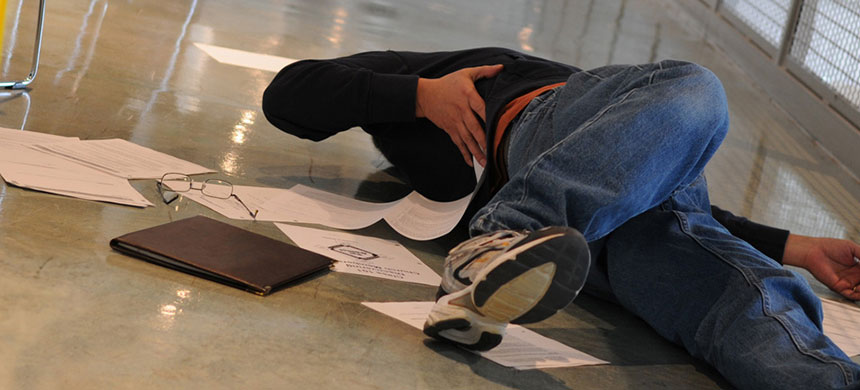
If you or a loved one has been injured in a slip, trip, or fall accident on someone else's property in Nebraska, you may be entitled to compensation for your injuries.
At Johnson Tabor & Johnson, our premises liability attorneys have decades of experience holding negligent property owners accountable. We understand the serious injuries that can result from falls—broken bones, traumatic brain injuries, spinal cord damage, and more—and we fight to make sure you receive the compensation you deserve.
Property owners have a legal duty to maintain safe conditions. When they fail, and you get hurt, our attorneys are here to help you recover.
Understanding Premises Liability in Nebraska
Premises liability is the area of law that holds property owners and occupiers responsible for injuries that occur on their property due to unsafe conditions. In Nebraska, property owners have a legal duty of care to maintain their property in a reasonably safe condition and to warn visitors of known hazards.
When a property owner knows about a dangerous condition—or should have known about it through reasonable inspection—and fails to fix it or warn visitors, that constitutes negligence. If that negligence causes you to slip, trip, or fall and suffer an injury, the property owner can be held legally and financially responsible.
Negligence in premises liability cases can take many forms: failing to clean up a spill, neglecting to repair a broken handrail, ignoring icy conditions on a walkway, or failing to provide adequate lighting. The central question is whether the property owner acted reasonably under the circumstances to prevent foreseeable injuries.
Types of Slip, Trip & Fall Accidents
Wet & Slippery Floors
Freshly mopped floors, liquid spills, leaking refrigerators, and tracked-in rainwater in grocery stores, restaurants, and retail establishments.
Uneven Surfaces
Cracked sidewalks, broken pavement, uneven flooring transitions, raised thresholds, and potholes in parking lots that create tripping hazards.
Icy Sidewalks & Parking Lots
Failure to salt, sand, or clear ice and snow from walkways, driveways, and parking areas—a major cause of fall injuries during Nebraska winters.
Poor Lighting
Inadequate lighting in stairwells, parking garages, hallways, and outdoor walkways that prevents visitors from seeing hazards.
Defective Stairs & Handrails
Broken steps, loose or missing handrails, inconsistent stair heights, and worn stair treads that cause dangerous falls.
Loose Carpeting & Flooring
Bunched-up rugs, torn carpet, loose floor tiles, and wrinkled mats that catch feet and cause trips and falls.
Unmarked Hazards
Failure to post warning signs around wet floors, open floor drains, changes in elevation, or other known dangers on the property.
Construction Debris
Building materials, tools, exposed wiring, and debris left in walkways on construction sites or properties undergoing renovation.
Common Slip and Fall Injuries
Slip, trip, and fall accidents can cause serious and sometimes life-altering injuries. The severity often depends on the height of the fall, the surface landed on, and the age and health of the victim. We handle cases involving:
- Broken bones and hip fractures
- Traumatic brain injuries (TBI) and concussions
- Spinal cord injuries and herniated discs
- Torn ligaments (ACL, MCL, rotator cuff)
- Shoulder and wrist injuries
- Deep cuts, lacerations, and bruises
- Knee injuries and dislocations
- Chronic pain and reduced mobility
Falls are especially dangerous for older adults. Hip fractures, in particular, can lead to long-term disability, loss of independence, and significant medical expenses. Even seemingly minor falls can result in concussions or soft tissue injuries that cause lasting pain. If you've been injured in a fall, seek medical attention immediately and contact an attorney before speaking with the property owner's insurance company.
Who Can Be Held Liable?
Depending on the circumstances of your fall, one or more parties may be held responsible for your injuries:
Property Owners
Homeowners and commercial property owners who fail to maintain safe premises or warn of known dangers on their property.
Businesses & Retailers
Grocery stores, restaurants, shopping malls, and other businesses that invite customers onto their premises and fail to keep them safe.
Landlords
Rental property owners responsible for maintaining common areas such as stairways, hallways, parking lots, and shared outdoor spaces.
Government Entities
City, county, and state government bodies responsible for maintaining public sidewalks, parks, government buildings, and roadways.
Construction Companies
Contractors who leave debris, tools, or hazardous conditions on or around construction sites that cause injuries to workers or passersby.
Proving a Premises Liability Case
To succeed in a slip and fall claim in Nebraska, your attorney must establish four key elements:
Duty of Care
The property owner or occupier owed you a duty to maintain the property in a reasonably safe condition. This duty depends on your legal status as an invitee, licensee, or trespasser.
Breach of Duty
The property owner breached that duty by allowing a hazardous condition to exist, failing to repair a known danger, or failing to warn visitors of the hazard.
Causation
The hazardous condition directly caused your fall and resulting injuries. There must be a clear link between the property owner's negligence and the harm you suffered.
Damages
You suffered actual damages as a result of the fall, such as medical bills, lost wages, pain and suffering, or diminished quality of life.
Common Myths About Slip and Fall Cases
Many people who are injured in a fall don't pursue a claim because of common misconceptions. Here are the facts:
Myth: "It was my fault—I should have been more careful."
Fact: Property owners have a legal obligation to maintain safe conditions. Even if you were partially distracted or not watching your step, the property owner may still bear significant responsibility. Nebraska's comparative fault rule allows you to recover damages even if you share some fault, as long as your fault is less than 50%.
Myth: "My fall wasn't that bad—it's not worth pursuing."
Fact: What seems like a minor fall can result in serious injuries that worsen over time. Concussions, hairline fractures, and soft tissue injuries may not show symptoms immediately. Medical bills and lost wages add up quickly. Don't dismiss your injury—get a medical evaluation and a legal consultation.
Myth: "I had to report the fall immediately or I have no case."
Fact: While reporting an incident promptly is always recommended because it creates an official record, failing to report on the spot does not automatically bar your claim. Medical records, witness statements, and other evidence can help establish your case. Contact an attorney as soon as possible to preserve your rights.
Myth: "I can't sue a big company—they have too many lawyers."
Fact: Large corporations and their insurance companies are held to the same legal standards as anyone else. In fact, many businesses have strict safety protocols they are required to follow. When they don't, the evidence of negligence can be strong. Our attorneys have the resources and experience to take on corporations and their insurers.
Myth: "Slip and fall lawsuits are frivolous."
Fact: Falls are one of the leading causes of emergency room visits and serious injury in the United States. These cases involve real injuries, real medical expenses, and real impacts on people's lives. Property owners who maintain unsafe conditions should be held accountable.
Serving Slip & Fall Victims Across Nebraska
Johnson Tabor & Johnson represents premises liability victims throughout Nebraska, including:
- Omaha and surrounding metro
- Lincoln and Lancaster County
- Grand Island and Hall County
- Kearney and Buffalo County
- Norfolk and Madison County
- Columbus and Platte County
- North Platte and Lincoln County
- Scottsbluff and the Panhandle
- All of Nebraska & western Iowa
Frequently Asked Questions About Nebraska Slip & Fall Cases
Injured in a Slip, Trip, or Fall? Let's Talk.
Don't let a negligent property owner avoid responsibility for your injuries. Contact us today for a free consultation and let our experience work for you.
There's no fee unless we win.